The Experiential Edge: Knowing with Steeds for Real-Life Adjustment
I stood with a customer called Lea beside a tranquil gelding called Jasper, both of them enjoying the wind press the yard like a slow wave. Lea worked in a high-stakes consumer care role and showed up that day tight across the jaw, worn down by a week of rises. Jasper flipped an ear, changed his breathing, and stayed put. We asked Lea to lead him, no halter, just visibility. The initial attempt looked like a tug of war with empty air. After that we exercised stopping, softening her shoulders, and breathing out in such a way she could really feel in her ribs. Jasper lifted his head and walked with her, shoulder to shoulder, a change you could measure in six quiet steps.
I have actually seen variations of that minute thousands of times. Steeds meet us where words can not. They are target animals with refined nervous systems and tidy boundaries. They check out intent, mirror nerves states, and supply prompt, truthful comments without a murmur of judgment. That is the experiential edge, the place where equine-assisted services turn insight right into repeatable habits, on the spot.
Why equines, not a seminar room
Plenty of finding out occurs inside, but the sector supplies conditions you can not reproduce in a chair. A horse brings size, sensitivity, and social recognition. Ask a thousand-pound pet to follow you across an area with absolutely no spoken explanation and you will certainly figure out how you lead. Attempt to obtain a sidetracked mare to browse cones and you will certainly practice staying connected while managing intricacy. These are not metaphors even identical experiences that illuminate the very same networks you use in the house or work.
Horses aid due to the fact that their survival depends upon reviewing what is authentic. They discover whether your feet line up with your intent, whether your breath states go or your shoulders claim stop. When your inner state and external activity match, the horse tends to kick back and engage. When they do not, the steed thinks twice or wanders. That clean psychophysiological feedback loophole, duplicated in small jobs, ends up being an effective tool for anxiousness assistance with steeds, for management learning, and for reconstructing trust fund with your very own body.
There is likewise a physiological layer. Time around regulated steeds commonly supports downshifting from supportive arousal. People define a steadier heart rate, simpler tummy breathing, and a quieter mind after 10 to fifteen mins of grooming or foundation at a relaxed pace. This does not change clinical therapy, yet for several, it becomes a reputable practice, like a living variation of a breathing application that responds to you.
What falls under equine-assisted services
The language here can be complex. Broadly, equine-assisted solutions consist of a household of approaches that include equines to support understanding, growth, and in some cases clinical therapy. Within that household, you will certainly hear several terms made use of with care:
-
Therapeutic horsemanship normally describes installed or unmounted lessons adjusted for individuals with specials needs or special demands. It focuses on skill structure and involvement, typically sustained by certified instructors and volunteers.
-
Equine-assisted activities consist of foundation like brushing, leading, and challenge courses, installed exercises for balance and sychronisation, and structured jobs created for cognitive, social, or emotional objectives. Lots of programs for young people and grownups fit here.
-
Equine-assisted training, additionally called equine-facilitated mentoring, sits in the efficiency and personal development room. It companions a skilled coach with an equine expert and a herd to concentrate on objectives like interaction, management, and decision-making. There is no psychotherapy implied.
-
Equine-facilitated health blends training and psychological health literacy with somatic and nature-based techniques. It commonly consists of trauma-sensitive pacing, grounding, and reflection, with clear borders about scope.
The area likewise consists of credentialed mental health suppliers who integrate equines into psychiatric therapy. If you need therapy for trauma, state of mind disorders, or serious stress and anxiety, seek licensed medical professionals with specialized training who practice within their board standards and companion with equine professionals. Training can be helpful for numerous problems, but it is not a replacement for therapy.
A day in the field, without the mystery
People ask what a session resembles. It typically begins quietly. We gather at the rail, evaluation objectives, and do a short alignment to steed body language: where the shoulder is most safe, just how ears point interest, what licking and eating can suggest. The herd makes a decision whether to method. We begin with borders and option, always.
Then we relocate right into jobs. That can be building a course of ground posts to stand for a task timeline, developing a simple pattern for the horse to navigate, or practicing leading with a soft feeling. The knowing lands in the debrief. What did you see when the horse wandered away at the 2nd pole? What altered in your stance when your teammate tipped in?
Here is a basic arc for equine-assisted activities that concentrate on discovering:
- A short check-in and intention setup, connected to one real-life actions you wish to practice.
- Grounding and orientation to the herd, with a security review.
- A job with clear edges, such as leading with a pattern or stopping briefly at markers.
- A debrief that links observations to next steps in the house or work.
Those four components can fit inside an hour. Groups can extend to 2 hours with breaks. Installed job might lengthen the preparation and cool. The factor is not to rush. Equines will show you, in their pace, just how much is possible in the time you have.
How modification holds in the body
When people discuss somatic healing with horses, they imply modification that begins in sensation and spreads to assumed and actions. Consider 3 systems that I see continually:
First, synchronization. When a human changes to slower, steadier breathing, horses https://franciscopwut896.readspirex.com/posts/linking-globes-autism-equine-learning-program-for-social-connection commonly adhere to with softer eyes and a decrease in head carriage. The loophole after that strengthens the human's policy. This back and forth can be measured indirectly via heart rate irregularity in study settings, though customer metrics differ in accuracy. The really felt experience, however, is apparent to most participants.
Second, harmony. Horses reply to systematic signals. If your feet direct one method while your upper body squares one more, the equine might stop briefly. If your hand asks ahead while your hips pull back, you get sloppy outcomes. Practicing tidy, straightened activity trains clarity in a manner words cannot.
Third, border repair. Numerous humans walk around either fell down or stiff, especially under stress and anxiety. Horses version healthy and balanced, responsive borders. They step apart without anger and return without clinginess. Standing near that energy can reset a person's sense of personal space and timing. The technique is to go slowly, allow the body discover, and after that name it.
Anxiety, focus, and sensory needs
Programs commonly advertise anxiousness support with steeds, ADHD equine finding out support, and an autism equine learning program. These phrases matter to family members scanning for aid. Right here is exactly how I have actually seen them work in method, and where limits reveal up.
For anxiety, the arena provides a setting with sufficient novelty to activate the system and adequate assistance to exercise downshifting. A 15 year old who clinches throughout tests could set a task with 3 stops and 3 restarts while leading a tiny mare. We manuscript the pauses, matter breaths out loud, and name the point where the steed unwinds. After 3 sessions, the teen can duplicate the pattern in the school hallway prior to a test. That is genuine, functional transfer. If panic attacks are frequent or serious, or if there is without treatment injury, partner with an accredited specialist that integrates equine work.
For ADHD, equine-assisted activities provide instant responses without pity. A common sequence makes use of 3 cones as visual anchors, with an emphasis job like asking the equine to stop at each cone. The client learns to damage down a goal, screen attention in genuine time, and recuperate after a miss. We keep instructions easy, we add movement breaks, and we commemorate efficient restarts. Drug decisions are clinical, not component of coaching, but numerous family members report far better carryover when the barn becomes a laboratory for executive function.
For sensory difficulties, horses supply rich, regulated input. Brushing can be a different therapy for sensory obstacles because it sets responsive input with rhythm and predictability. The trick is choice and pacing. Some children dislike the metal noise of a hoof pick. Some crave deep pressure and prefer cleaning the shoulder prior to the flank. Ear defenders are great. Stimming is fine. The equine's comfort establishes the boundary, and a trained equine professional stays close.
An autism equine learning program needs to be improved approval and co-regulation. I such as to begin on the non-preferred side of the fencing, just watching. Participants typically need time to map the room and decode the rules. Once within, we utilize clear markers for start and quit, and we exercise exits as part of the plan. Installed job, if made use of, comes later, with a peaceful steed and an individual sidewalker team.
What concerning group structure with horses
I have taken executive teams right into the field with blended sensations and good results. The shiny guarantee that a half day with a herd will take care of depend on is unrealistic. What we can do is compress honest comments into a take on, neutral space.
A favorite exercise for group structure with steeds makes use of an L-shaped barrier. The group must assist a horse with the turn with no halter and no speaking for the preliminary. Patterns arise quick. A single person groups. One hangs back. One attempts to control by thought. We stop briefly, call the pattern, let everyone attempt a new role, and afterwards add tactical communication. The equine does not respect titles, just comprehensibility and clarity. The team after that creates three brief habits they will certainly bring right into their following job sprint. At the 3 month mark, we check on those habits, not obscure impressions.
Pricing for business groups ranges commonly. In my region, a half day with two facilitators and 2 to 3 horses ranges from 1,800 to 4,000 bucks, depending on group size, insurance demands, and center expenses. That fee includes steed care, staffing, safety and security tools, and setup time. It is not inexpensive, neither needs to it be. You are obtaining the moment and interest of living pets and qualified experts in a physical area with risks.
How to pick a provider
Good operate in this area relies on training, ethics, and steed welfare. Ask questions. Try to find accreditations that match the solution you want. COURSE Intl., CHA, and comparable organizations approve trainers for therapeutic horsemanship. EAGALA, Arenas for Change, and other designs train teams for equine-assisted services with a psychological health and wellness and equine professional working together. For equine-assisted coaching, seek instructors with acknowledged credentials, for instance via ICF or EMCC, plus specific equine facilitation training. None of these letters ensure chemistry, however they inform you a person bought standards.
Here is a short checklist to direct your choice:
- Clarity of scope: Do they clearly mention whether they use coaching, wellness, activities, or psychotherapy, and technique within that scope.
- Team and training: Do sessions include both a human development specialist and an equine expert with recorded training.
- Safety and consent: Do they review security, describe steed signals, and permit opt-out or monitoring as participation.
- Horse welfare: Do the steeds have choice, day of rest, correct fit tack, and a setting fit to their needs.
- Outcomes and fit: Can they describe how finding out transfers to day-to-day live and offer a means to gauge progress over time.
Visit the barn if possible. See a session with permission. The ambiance needs to be focused but not strained. Steeds must look interested, not close down. Facilities do not require to be elegant, but they have to be tidy and useful. Portfolios with happy clients aid, yet your very own nerves typically gives the best read. If you really feel rushed, overmanaged, or confused, ask even more questions.
Safety, consent, and edge cases
Working with thousand-pound pets lugs risk, and that threat is manageable with ability. Helmets for installed work are nonnegotiable. Closed-toe footwear for everyone. No deals with by hand unless the program has explicit procedures. Clear boundaries keep people and steeds safe.
Some problems ask for added caution. Recent traumas, uncontrolled seizures, brittle bones, and extreme hatreds dirt or dander can make engagement risky. Pregnancy with a history of problems normally eliminate installed job and may limit groundwork. If a person fights with impulse control that might result in striking or grabbing, start with observation throughout the fence and construct capability gradually. For trauma survivors, stress that is as well quickly can backfire, so we maintain control with the client, name choices, and enable exits without drama.
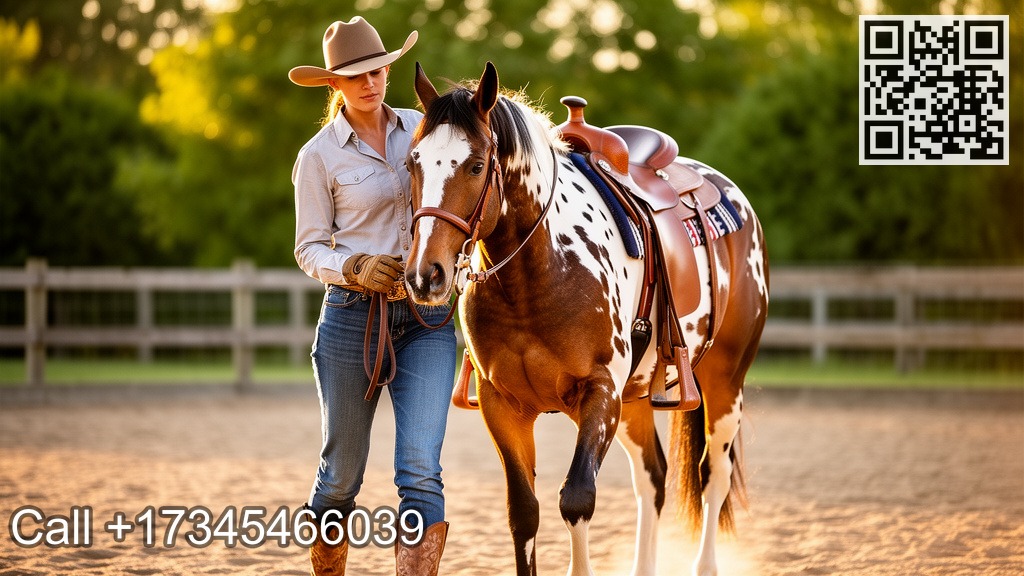
Edge cases also consist of the driven high performer that wants to "win" with the steed. That power can swamp the sector. I commonly eliminate the goal completely. We exercise a walk, a stop, and a breath at each edge. We determine top quality, not speed up. The learning is to shift from force to timing. That is tough for numerous, and deeply worth it.
The equines have to win too
Ethical programs center steed well-being as much as human results. Not every horse is fit to this work, which is great. The best companions reveal interest, resistance for uniqueness, sound feet, and a body that enjoys light to moderate task. They also need purposeful downtime. Turnings issue. So do social demands. Equines must live in herds or compatible pairs, have turnout that enables motion, and diet plans that match their metabolism. If you see pinned ears, tight lips, or an equine that flinches at touch, ask what the team notices and just how they respond. Habits is information, and excellent guardians listen.
We also layout jobs that value the steed's nature. Long, repeated sessions where people exercise grooming the same patch of neck twenty times will sour also the kindest gelding. We differ tasks, adjust to weather and footing, and use tack that fits. We retire equines when they inform us the work is no more for them and honor their solution with simple tasks or pasture time.
Measuring what matters
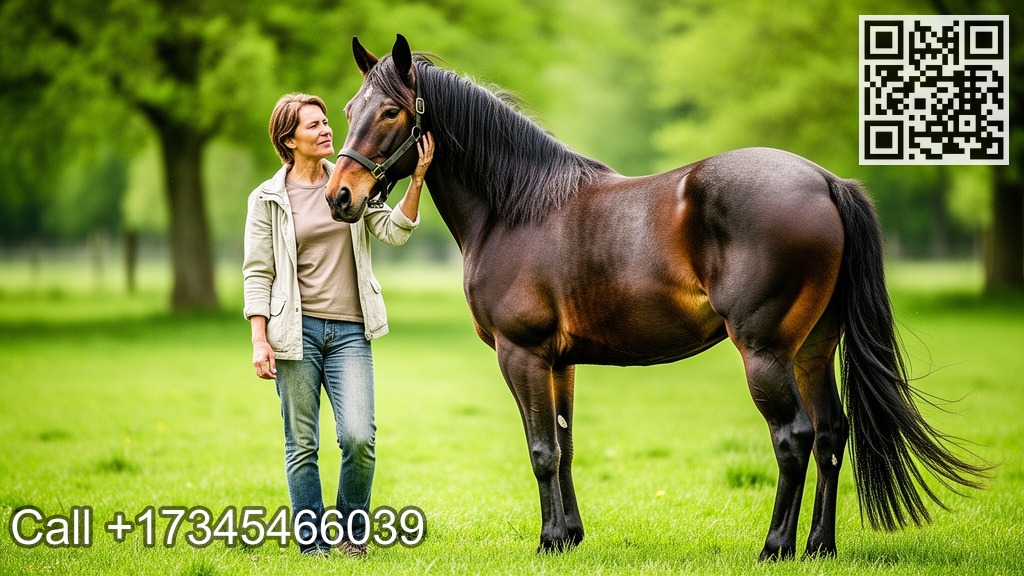
Change really feels good in the sector, however life requests evidence. We track outcomes that indicate something outside the barn. For a distressed college student, that may be the variety of missed classes going down from 4 monthly to one. For a manager in equine-assisted coaching, it could be the regularity of cut off employee reducing on meeting transcripts. For a child in restorative horsemanship, we could determine balance duration at the stop and then note renovations in playground play.
I like repeatable micro-assessments. A 2 min breathing check at the start and end of each session, self-rated tranquility on a ten point scale, and a note on physical indications like shoulder elevation or foot fidgeting. With children, we usually use easy visuals, deals with or shade cards. After 6 to eight sessions, we take a look at patterns. Some individuals reveal fast gains and afterwards plateau. Others construct slowly and after that leap. In either case, we choose next steps based on information and objectives, not the novelty of being near a horse.
From the field to daily life
Transfer does not take place by accident. We develop bridges. After a session where someone finds out to stop briefly prior to a turn, we write down where that same micro-pause issues, possibly before responding to an email or stepping into a congested corridor. We practice it right away, strolling from the sector to the car park. We also hire the senses. What did the natural leather smell like when you finally obtained the stop. What did your hands really feel. These supports aid the brain remember the state when you need it.
Homework can be tiny. Stand with both feet flat while cleaning your teeth and discover your breath. Take 2 stomach breaths before opening a conference. Call one equine behavior you saw today that you wish to emulate, possibly the means the mare requested space without dramatization. These web links make experiential discovering with steeds stick where it matters.
Budget, logistics, and sincere expectations
Programs differ in cost. Individual equine-facilitated health or mentoring sessions usually run 120 to 250 dollars per hour in several areas, higher in huge cities. Healing horsemanship lessons might range from 60 to 120 bucks depending upon assistance requirements and local prices. Scholarships exist, frequently via nonprofits and donors. Insurance coverage is uncommon for training, in some cases offered for psychiatric therapy with qualified service providers. Ask early, and factor in travel time. Barns sit where land allows.
Expect growth, not magic. A solitary session can spark insight, yet alter normally unfolds over 6 to twelve calls, regular or biweekly. Brief intensives can help details skills. A 2 day retreat may jump start a leadership change, complied with by online training and two more field days at 30 and 90 days. The throughline matters more than the calendar.
A basic workout you can try safely
If you are curious and want a taste without tipping inside a paddock, begin with monitoring. Stand outside a fence, at least a couple of feet back. Plant your feet, unlock your knees, and see your breath. Enjoy the herd for 10 mins. See how they line up with the breeze, exactly how they room themselves, just how they rejoin after a brief range. Match your breath to the slowest equine for three cycles, after that open your vision to include the ground at your feet and the horizon. Lots of people locate this silent practice discloses their own pace, and it sets you back absolutely nothing. If a barn invites site visitors during public hours, ask approval and supply a thank you to the personnel. If not, a field of cows can teach comparable lessons concerning space, focus, and timing.
Where I have seen the most significant returns
Three patterns turn up throughout years of work. Initially, individuals who treat the field as a laboratory, not a performance phase, progression faster. They agree to look unpleasant, to attempt once more, to tune toward feel. Second, groups that incorporate learning into their routines, brief schedules, specific stops, and common language, keep gains alive long after the dirt settles. Third, family members who sustain practice in your home, possibly by joining a brushing session or modeling tranquility during shifts, develop a globe where adjustment does not end at the gate.
Horses provide us exercise in being clear, kind, and grounded. They do it with large bodies and exact signals that push us to listen. Whether you are looking for equine-assisted mentoring for management, restorative horsemanship for a child, or equine-facilitated wellness for stress and somatic wellness, the course runs through existence. Establish one sincere goal, select a capable team, and let the herd meet you midway. The remainder is breath, timing, and a few steps you can suspend loud.
Happy Hooves Wellness
9177 Gross Rd, Dexter, MI 48130
+17345466039
https://www.hhooves.com/